How Often Should a Puppy Eat? A Complete Guide to Puppy Feeding Frequency

- Maheshwari Giri
- 27 July, 2026
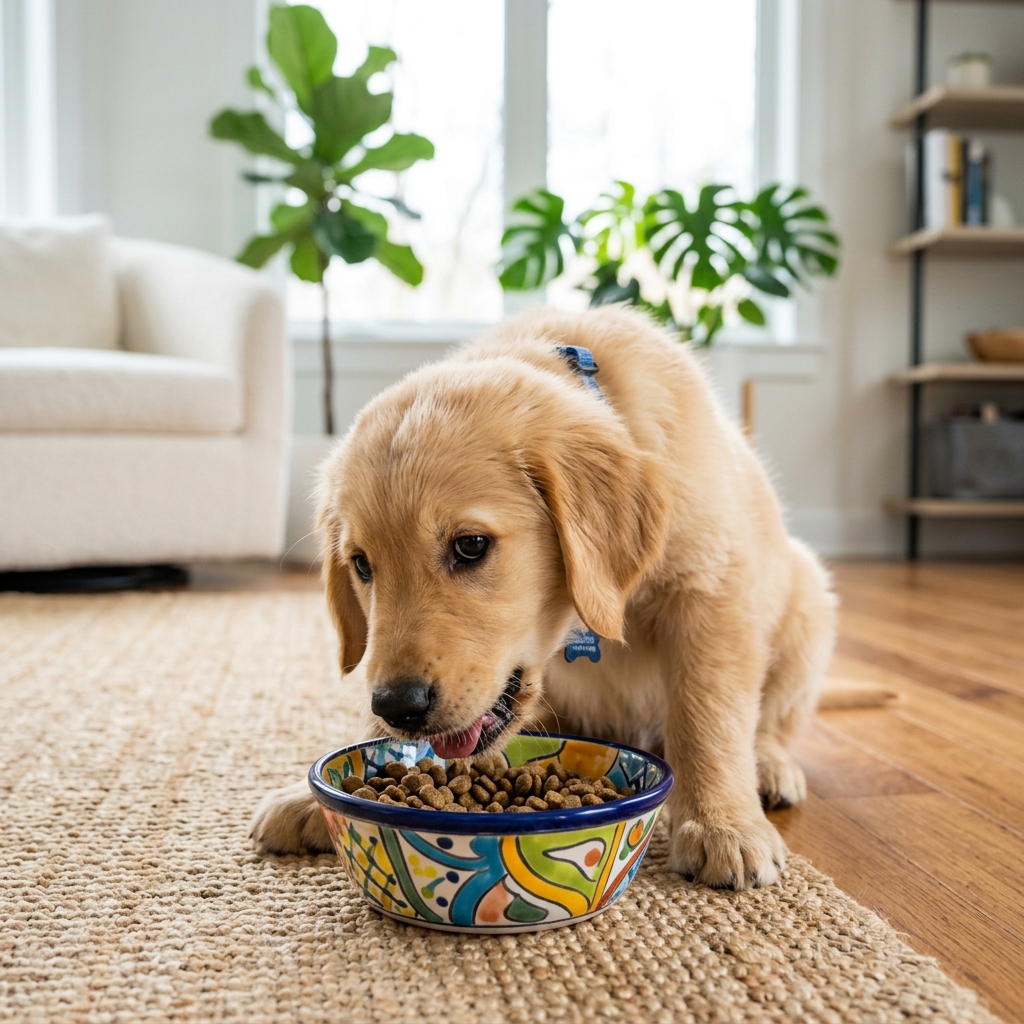
While bringing a puppy home is an exciting time in your life, it also means you have many new responsibilities. Perhaps the most important consideration when it comes to puppy care is diet. A common question when it comes to new puppy owners is: How many times a day (and/or hours) should a puppy eat? Formulating puppy feeding frequency correctly is important for the proper growth of bones and muscles, digestion, energy levels and well-being.
The first year of a dog's life sees puppies grow rapidly. Their developing bodies require a constant supply of nutrition to support bone growth, muscle development, brain function, and immunity. Well-established schedules prescribed by a vet or a reputed dog breeder in India can also help your dog keep a good routine and avoid digestive problems.
Puppies have tiny bellies but a lot of energy, making their nutritional needs different from those of an adult dog. This is why frequent feeding is needed in the early months of their lives; they simply cannot eat large meals all at once.
Maintaining the right puppy feeding frequency helps to:
Feeding schedules also provide puppies with a sense of security, create predictable routines, and help with house training and overall behavioral development.
Answering the question of how many times a day a puppy should eat largely depends on its age, breed size, and activity level. Here is a general guidelines based on age:
Young puppies should generally eat 4 meals per day. Puppies in this phase are growing rapidly, so they should be fed regularly to meet their nutritional demands. These frequent, small feeds help maintain blood sugar levels and provide stable energy for growth.
Recommended feeding times may include:
At this time, puppies should be eating soft, easy-to-digest puppy food designed specifically for their growing bodies.
As the puppy grows, their digestive system becomes stronger. At this stage, the optimal feeding frequency is 3 meals per day. This change allows puppies to get used to larger portion sizes while ensuring they get all their nutrition throughout the day. They also become more active, making balanced nutrition key for developing muscles and bones.
Puppies 5 to 6 months or older can generally switch to 2 meals per day. Puppies of this age are able to eat larger amounts less regularly. However, giant breed puppies may continue growing for a longer period and often require special feeding advice and puppy-specific formulas for longer.
Yes, breed size plays a major role in determining when, what, and how much your puppy should eat. Here is how puppy feeding frequency varies by size:
Small canines like Pomeranians, Shih Tzus, and Chihuahuas tend to have rapid metabolisms. They need to be fed smaller, more frequent meals to prevent hypoglycemia (low blood sugar) and keep their energy levels stable.
The bigger the dog, the more crucial it is to control their growth rate. Large breeds like Dobermans, Golden Retrievers, and German Shepherds can gain weight too quickly, putting excessive stress on their developing joints and bones. You can consult your vet or check a specific feeding chart, like a Doberman feeding and price guide, to plan their diet carefully.
To stick with the proper puppy feeding frequency, it helps to understand your pup's behavior. Common signs of hunger include:
However, avoid offering treats or snacks too frequently, as this can lead to weight problems and digestive disorders.
Some human foods are highly toxic or damaging to puppies. Avoid these completely:
Always consult your veterinarian before introducing any new food to your puppy's diet.
Generally, puppies transition to an adult feeding schedule and adult dog food around one year of age. For large and giant breeds, puppy food might be necessary for up to 18 to 24 months. To prevent digestive issues, transition from puppy food to adult food gradually over a week.
Understanding proper feeding frequency is one of the most important aspects of raising a healthy, happy dog. How often a puppy should eat depends on their age, size, breed, and activity level. Young puppies require frequent small meals, while older puppies can gradually transition to two meals a day.
Adequate nutrition, a regular feeding schedule, and correct portion sizes build a foundation for lifelong health. With the right care, your puppy will grow into a strong, energetic adult. To read more expert pet care tips and browse puppies, visit Premium Pet House.