Can Fungal Infection be Transmitted Among Dogs and Humans?

- Maheshwari Giri
- 04 February, 2026
You are not alone, have you ever had a dog that keeps scratching, shedding hair, or getting some strange rash in a circle, and then realized you had a similar spot that itched somewhere on your own skin. Among the most frequent questions that people who keep pets ask is the following one: can fungal diseases be transmitted between dogs and humans?
The answer to the question is yes, some can. The more extended response is more nuanced, fascinating, and comforting than it is expected by most people.
Let us get it down to the point, without any fear-mongering, and in a way that you can actually apply in practice.
Fungi are microscopic organisms that cause fungal infections and grow well in warm and damp conditions. Fungi are slow-growing, not usually harmful, and they can be present on the skin, fur, soil, or surfaces of animals, bacteria, or viruses, and then grow out of control.
The fungi infection normally affects in both dogs and humans:
Skin
Hair or fur
Nails
Ears (in dogs especially)
The majority of fungus infections are not deadly, though they may be uncomfortable, prolonged and misinterpreted.
Although it has a frightening name, the ringworm is not a worm. It is a fungal infection which is caused by dermatophytes.
The Reason Ringworm Receives So Much Publicity:
It is a zoonotic organism, i.e. it can be transmitted between animals and humans.
It is transmitted during physical contact or infected items.
It leaves visible, itchy lesions, and thus it is easy to notice.
In dogs:
Circular hair loss patches
Red, scaly skin
Brittle or broken fur
Sometimes no itching at all
In humans:
Ring-shaped red rashes
Erected barriers with more distinct capitals.
Mild to intense itching
Veterinary dermatology statistics indicate that more than 90 percent of the cases of fungal diseases of the pets transmitted to human beings are caused by ringworm.
The spores of fungi are extremely hardy. They are able to live weeks or even months on surfaces.
The most widespread ways of transmission are:
Direct skin-to-fur contact
Touching or petting an infected dog.
Exchanging bedding, towels or furniture.
Toy Brushes, collars, leashes, or toys.
Spores live in soil or in the open ground.
Notably, exposure does not result in infection in all cases. Fungi are usually prevented by healthy immune systems.
No--and this is where the misunderstanding is apt to come in.
Ringworm (dermatophytosis)
Some yeast infections in exceptional circumstances.
Majority of yeast infections (such as Malassezia in dogs, as it is a common yeast already present on healthy canine skin)
Organ deep fungal infections.
Ear yeast infections
Even such infections as yeast infections are typically as a consequence of excess proliferation of naturally present fungi rather than through contagious infection.
Being exposed is not a sure way to be infected. Susceptibility is dependent on a number of factors:
Children (under 10): The children have not yet developed a proper immune system and therefore their bodies will not be as efficient in combating the fungal spores when they come in touch with the skin.
Older adults: Aging suppresses the immune system, and the body becomes less able to resist infection caused by the infections that can be easily overcome by younger adults.
Individuals with poor immune responses: Diseases such as diabetes, chronic conditions, or certain drugs lower the body defenses to fight off fungi.
People with cuts, eczema, or allergies: Broken or swollen skin provides a convenient point of growth of fungi.
Humid climates: Fungi are also able to grow in warm and moist conditions, and this increases the risk of infection.
Poor ventilation and poor space: The lack of airflow and close contact ensure that it is easier to transmit and survive spores.
Lack of regular cleaning of pet spaces: Pet beds, carpets and furniture may still have spores and repeated exposure will occur.
Indeed, research indicates that more than 70 percent of those who come into contact with the spores of the ringworm do not even develop the symptoms.
Timely diagnosis is everything.
Watch for:
Circular bald patches
Dry, flaky, or crusty skin
Persistent scratching
Dull or brittle coat
Discoloured or thickened skin
There are also dogs that are asymptomatic carriers and thus they do not show symptoms even though they transmit spores.
The fungal infections are often confused with:
Allergies
Eczema
Insect bites
Warning signs include:
Slowly increasing circular rashes.
Itchy even with creams.
Scaling or peeling skin
Redness that doesn’t heal
When a rash improves with steroid creams, it is usually an indication that it is fungus.
Self-diagnosing is one of the largest errors that human beings make.
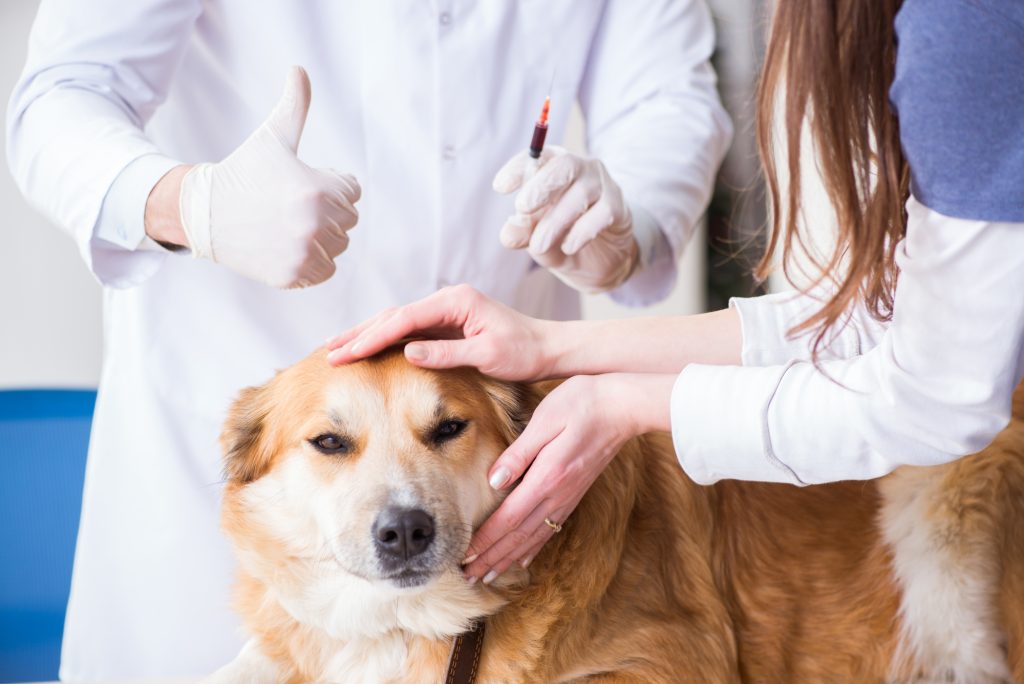
For DogsVeterinarians may use:
Wood’s lamp examination
Skin scrapings
Fungal cultures
For HumansDoctors may:
Examine skin patterns
Take skin scrapings
Recommend antifungal trials.
Diagnosis will save unwarranted treatments and shorten the recovery period.
The good news? The majority of fungal infections are readily treated provided one does it correctly.
Antifungal shampoos: Medicated bathing can be used to eliminate fungal spores in the fur and avoid the spread of the infection throughout the skin.
Topical ointments: This is placed on the area of fungus to prevent the fungus and curing the skin lesions.
Oral antifungal medication (in severe cases): It is prescribed when the infection is extensive or not responding to external treatment.
Physical cleaning: Infection of bedding, floors, and grooming tools with disinfection eliminates the remnants of infection caused by the lingering spores.
Antifungal creams or lotions: These are applied on the rash to kill fungi and lessen the itching and redness.
Oral drugs against infections that are hard to get rid of: Oral drugs are used when the infection is extensive or chronic.
Keeping the skin dry and clean: This avoids accumulation of moisture that aids in the further growth of fungi.
The majority of infections are cured in 2-4 weeks, however, treatment must go a little longer to avoid the recurrence.
There will be no treatment when the environment is still polluted. Key cleaning tips:
Clean bedding, blankets and clothing in hot water.
Have vacuum carpets and upholstery done.
Disinfect grooming tools
Avoid sharing towels
When you can dry things in the sun (UV is used to kill spores)
There is no necessity to be sterilized seriously, but consistency is more important than intensity.
Not altogether--but you may greatly decrease the danger.
Prevention Tips:
Dogs are groomed and bathed regularly.
Wipe pet fur dry, particularly in the rain or swimming.
Avoid overcrowding animals
Keep the house hygienic.
Wash hands after touching pets with skin problems.
Periodical vet checkups assist in the early detection of the infections before they spread.
A lot of pet owners are guilty or scared when they learn that they can be infected.
Here’s the truth:
The presence of fungal infections does not indicate bad care.
They are common worldwide
They are not saying that your dog is dirty.
Both pets and humans heal with treatment.
There is no need to abandon or isolate pets in case of fungal infections, which is detrimental.
Myth: It is necessary to give away your dog when it has a ringworm.
Fact: It is sufficient to treat and sanitize.
Myth: Fungal infections are an indication of poor hygiene.
Fact: There are spores in even clean environments.
Myth: Infections of the pet skin are all contagious.
Fact: Most are not
Seek professional help if:
Lesions deteriorate or develop at a high rate.
The persistence of the symptoms is over two weeks.
There are several family members who are involved.
Your dog is painful, listless or has lost all its hair.
Treatment at an early stage saves time, money and pain.
There are indeed some fungal infections that can be transmitted between dogs and people, though they are much easier to control than people may be inclined to believe. The infections are not permanent issues, but transitory with awareness, early diagnosis, proper treatment, and basic hygiene.
Dogs make our lives more rewarding. A common infection is simply that, a common issue which can be resolved collectively. Be aware, be cool and above all, continue loving your pets without having to be unnecessarily scared.